


Why Homeowners Choose Roof Replacement For Lasting Protection
Homeowners want a project that starts on time, finishes cleanly, and holds up under harsh weather. For that reason, a quality-first approach guides every choice. I focus on practical steps that cut rework and raise peace of mind. You’ll see how to align scope, materials, and crew capacity so your roof stops being a worry and starts being a shield. On retail storefronts and small warehouses, the same thinking powers reliable Commercial Roofing too. We’ll look at ways to match local rules and choose products that fit your climate. With careful scheduling, you avoid long tarp periods and noise stacking. I’ll share concrete examples, like a ranch home near tall trees and a storm-prone town with strict inspections. In short, you’ll have a simple checklist that keeps surprises small.
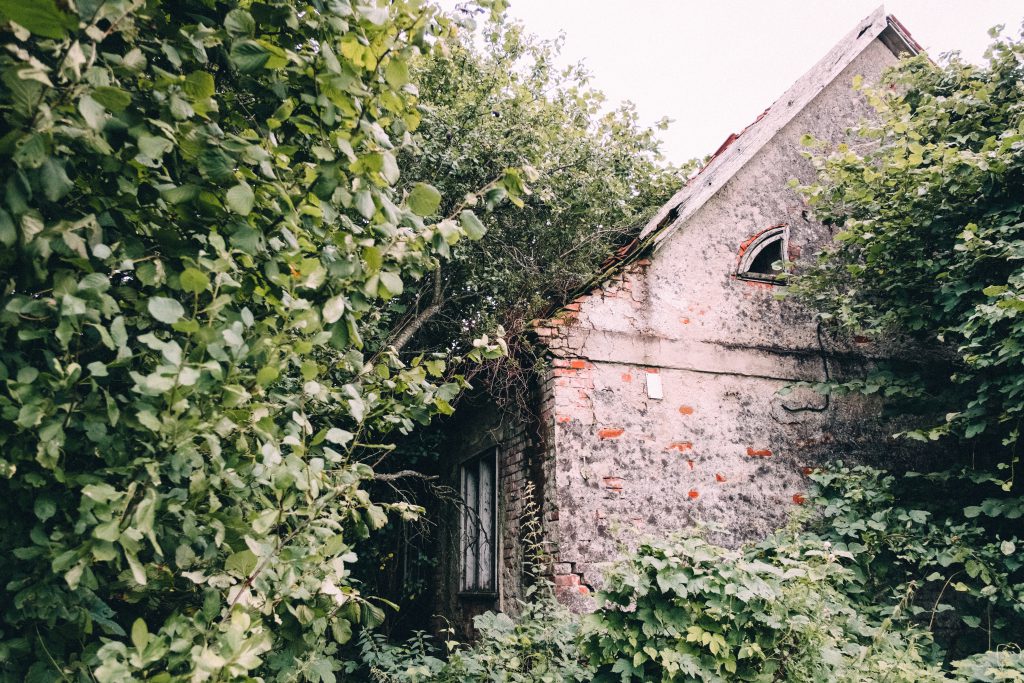
Map goals early and pressure-test assumptions for fewer surprises
Start with a clear scope that fits your roof’s age, pitch, and local weather. We sketch constraints, then Roof Replacement we flag access issues like narrow drives, power lines, and shared fences. This front-loaded clarity keeps change orders from snowballing. Note satellite dishes, skylights, and attic fans, and decide if they’re staying or going. Build a short plan that shows limits, trade-offs, and timing windows.
Do a simple perimeter pass when shadows show uneven planes. Mark soft decking near chimneys or valleys with painter’s tape. Track outside rhythms that can jam deliveries or raise complaints. A small duplex on a tight cul-de-sac needs staged tear-off and micro-dumps. Upfront scoping shrinks idle time and protects the lawn and garden.
Choose components that fit climate, codes, and aesthetic goals
Your roof lives in a specific climate, so match shingles, underlayment, and flashings to real conditions. For coastal zones, use anti-corrosion fasteners and sealed ridge vents, then Roof Replacement you confirm wind ratings with the inspector before delivery. Hot belts need vents that purge attic heat fast. Pick a shingle profile that mirrors your home’s lines. Color shifts curb appeal, but solar gain and HOA rules matter too.
Under the shingles, details drive longevity. Metal W-valleys can outlast woven on debris-heavy roofs. Step flashing should tuck behind siding, not caulk to it. Cap nails on synthetic underlayment resist wind-lift better than staples. In a leafy lot, opt for larger gutters and leaf guards to keep runoff steady. Small choices stack up to fewer callbacks and calmer rainy nights.
Build a workflow that compresses downtime and respects neighbor rhythms
A tight sequence reduces days on site and protects the interior. We plan tear-off by slope, then Roof Replacement we stage crews so one side dries-in before lunch and the next by dusk. Dump trailers park close for fast toss-and-go. In light commercial plazas, noise windows avoid lunch rush. Clear handoffs keep the yard open for deliveries and school pickups.
On a small clinic with tight parking, we set weekend tear-off and weekday cap work. When weather shifts, the lead swaps slopes to keep deck exposure minimal. Use color-coded tarps for materials, trash, and tools. Shared notes in a simple app keep owner updates crisp. For strip malls, this same cadence works for unit-by-unit sections in Commercial Roofing. The result is faster dry-in and fewer nervous calls from tenants.
Safeguard quality and manage exposure from tear-off to final check
Water is relentless, so details must be tighter than the storm. During tear-off, crew leads photo-log decking, then Roof Replacement they mark any rot with chalk and tally sheets for real-time pricing. Starter rows must align with factory glue at the edges. Kick-out flashing steers water off walls instead of into them. Chimney saddles beat back dams where snow tends to stack.
We treat the attic as part of the roof system. Check baffles and insulation depth while the deck is open. Balanced intake and exhaust tame moisture that chews plywood. If a surprise squall arrives, pause shingle runs and double-seal rows at the day’s end. For small leaks or storm nicks after the job, reserve a fast-lane slot for Roof Repair. Quick fixes prevent drip stains from turning into ceiling edits.

Balance budget with service life and warranty outcomes
Price matters, but so does how long the assembly stays tight. We compare tiered options with install specs side by side, then Roof Replacement we weigh savings against added fasteners, thicker mats, or extended seals. Other times, top-line shingles pay back in years of quiet. Add-ons like ridge ventilation or ice shield beyond code can be cheap insurance. The right mix avoids overbuying flash and underbuying function.
Think in seasons and storms, not single invoices. A starter home near big trees benefits from gutter guards more than high-fashion color. In hail zones, class 3 or 4 impact ratings may lower premiums. Read the fine print: install method ties to warranty strength. If you plan to sell soon, aim for visible upgrades and clean paperwork. A neat packet can lift offers and shorten time on market.
Joomla! est un Logiciel Libre diffusé sous licence GNU General Public