


Converting Your IRA To Gold: A Comprehensive Guide
In recent years, the allure of gold as an investment has regained recognition, particularly among those looking to diversify their retirement portfolios. Changing an individual Retirement Account (IRA) to gold can present a hedge towards inflation and economic uncertainty, making it an appealing choice for a lot of buyers. This text will explore the means of converting an IRA to gold, the forms of gold investments available, the benefits and dangers associated with such a conversion, and the steps essential to execute this transition.
Understanding Gold IRAs
A Gold IRA is a kind of self-directed IRA that enables buyers to carry bodily gold and other treasured metals as a part of their retirement portfolio. Unlike traditional IRAs, which sometimes include stocks, bonds, and mutual funds, a Gold IRA supplies buyers with the chance to include tangible belongings that can doubtlessly recognize in value over time. The interior Income Service (IRS) has specific regulations regarding the forms of gold and precious metals that may be held in a Gold IRA, including gold bullion, coins, and certain types of silver, platinum, and palladium.
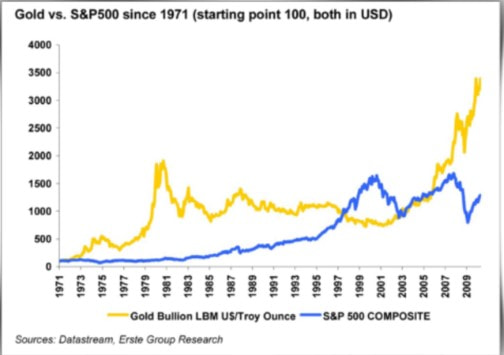
Why Convert to Gold?
- Inflation Hedge: Gold has historically been considered as a secure haven asset during periods of inflation. As the worth of fiat currencies declines, gold usually retains its value, making it a beautiful choice for protecting buying energy.
- Diversification: Adding gold to an funding portfolio can improve diversification. Gold typically has a low correlation with conventional asset lessons like stocks and bonds, which means that it may help scale back overall portfolio threat.
- Financial Uncertainty: During instances of economic instability or geopolitical tensions, gold usually sees increased demand. Buyers may flock to gold as a safe retailer of value, which may drive costs larger.
- Tax Benefits: By converting to a Gold IRA, traders can make the most of tax-deferred progress, similar to conventional IRAs. Which means that any positive aspects made from the appreciation of gold usually are not taxed till funds are withdrawn during retirement.
Forms of Gold Investments
When considering a conversion to a Gold IRA, it is important to grasp the types of gold investments which are permitted:
- Gold Bullion: This consists of bars and ingots that meet specific purity requirements set by the IRS (not less than 99.5% pure). Bullion is typically the most popular form of gold funding for IRAs.
- Gold Coins: Certain gold coins will also be held in a Gold IRA. The IRS allows specific coins, corresponding to American Gold Eagles, Canadian Gold Maple Leafs, and other authorities-minted coins that meet the purity necessities.
- Gold ETFs and Mutual Funds: Whereas not physical gold, some buyers may consider gold change-traded funds (ETFs) or mutual funds that put money into gold mining corporations. Nevertheless, these don't qualify as direct gold holdings in an IRA.
The Conversion Course of
Converting an IRA to gold entails several steps:
- Choose a Custodian: The first step is to select a custodian who makes a speciality of Gold IRAs. The custodian will facilitate the acquisition and storage of the gold, ensuring compliance with IRS rules. It's essential to decide on a reputable custodian with expertise in dealing with treasured metals.
- Open a Gold IRA: After selecting a custodian, you will need to open a brand new self-directed Gold IRA account. This process usually requires filling out an utility and providing relevant documentation.
- Fund the Gold IRA: You can fund your Gold IRA by means of a rollover from an current IRA or by making a direct contribution. If rolling over, be certain that the transfer is completed inside the 60-day window to avoid tax penalties.
- Purchase Gold: As soon as your Gold IRA is funded, you can instruct your custodian to purchase gold in your behalf. It is crucial to make sure that the gold purchased meets IRS requirements for purity and sort.
- Storage: The IRS requires that bodily gold held in a Gold IRA be saved in an accepted depository. Your custodian will usually handle the logistics of storage, guaranteeing that the gold is stored safe and insured.
Advantages and Risks
While converting an IRA to gold can offer quite a few benefits, it is important to consider the associated risks:
Benefits:
- Inflation Safety: Gold can act as a safeguard towards inflation, preserving the worth of your retirement savings.
- Tangible Asset: In contrast to stocks or bonds, gold is a bodily asset that can provide a way of security.
- Lengthy-Term Progress Potential: Historically, gold has appreciated in worth over the long term, making it a probably lucrative funding.
- Market Volatility: The value of gold can be unstable, and vital fluctuations can influence the value of your funding.
- Storage Prices: Storing physical gold incurs prices, together with insurance coverage and storage charges, which may eat into your returns.
- Liquidity Considerations: Promoting physical gold can take time and will incur further prices, making it much less liquid than different investments.
Conclusion
Changing an IRA to gold can be a strategic move for traders seeking to diversify their retirement portfolios and protect towards economic uncertainty. By understanding the method, kinds of investments available, and the associated advantages and dangers, people could make informed decisions about whether a Gold IRA is the best choice for his or her monetary goals. As with all investment, it's advisable to conduct thorough research and seek the advice of with monetary professionals earlier than proceeding with a conversion to make sure that it aligns together with your overall retirement technique. In an ever-changing financial panorama, gold stays a timeless asset that can provide each safety and progress potential for the long run.
Joomla! est un Logiciel Libre diffusé sous licence GNU General Public