


Case Examine On Males's Erectile Dysfunction Treatment: A Complete Method
Erectile dysfunction (ED) is a typical condition that impacts males of all ages, although its prevalence increases with age. It could have important psychological and emotional impacts, not only on the individuals experiencing it but additionally on their partners. This case research explores the multifaceted approach to treating ED, specializing in a 52-12 months-outdated male patient, Mr. Smith, who presented with this condition.
Background
Mr. Smith, a 52-year-previous accountant, sought medical recommendation after experiencing difficulties reaching and maintaining an erection for the past six months. He reported emotions of embarrassment and frustration, which had begun to affect his relationship along with his companion. Mr. Smith's medical historical past included hypertension and hyperlipidemia, each of which had been managed with medicine. He was a non-smoker and consumed alcohol socially, and he had no history of diabetes or different chronic illnesses.
Preliminary Assessment
Through the preliminary session, a thorough medical and sexual history was obtained. Mr. Smith reported that his ED had developed regularly and was often accompanied by performance anxiety, especially after a number of unsuccessful makes an attempt at sexual intercourse. His partner was supportive, but Mr. Smith felt that the problem was straining their relationship.
A bodily examination revealed no abnormalities, but his blood pressure was barely elevated. If you cherished this write-up and you would like to obtain extra information about erectiledysfunctiontreatments kindly go to the internet site. Blood checks have been conducted to evaluate hormone levels, including testosterone, as well as to check for diabetes and lipid levels. The results indicated that whereas testosterone ranges have been within the conventional range, Mr. Smith's cholesterol ranges had been excessive, probably contributing to his ED.
Treatment Plan
The treatment plan for Mr. Smith was complete and included life-style modifications, pharmacotherapy, and psychological support.
- Life-style Modifications:
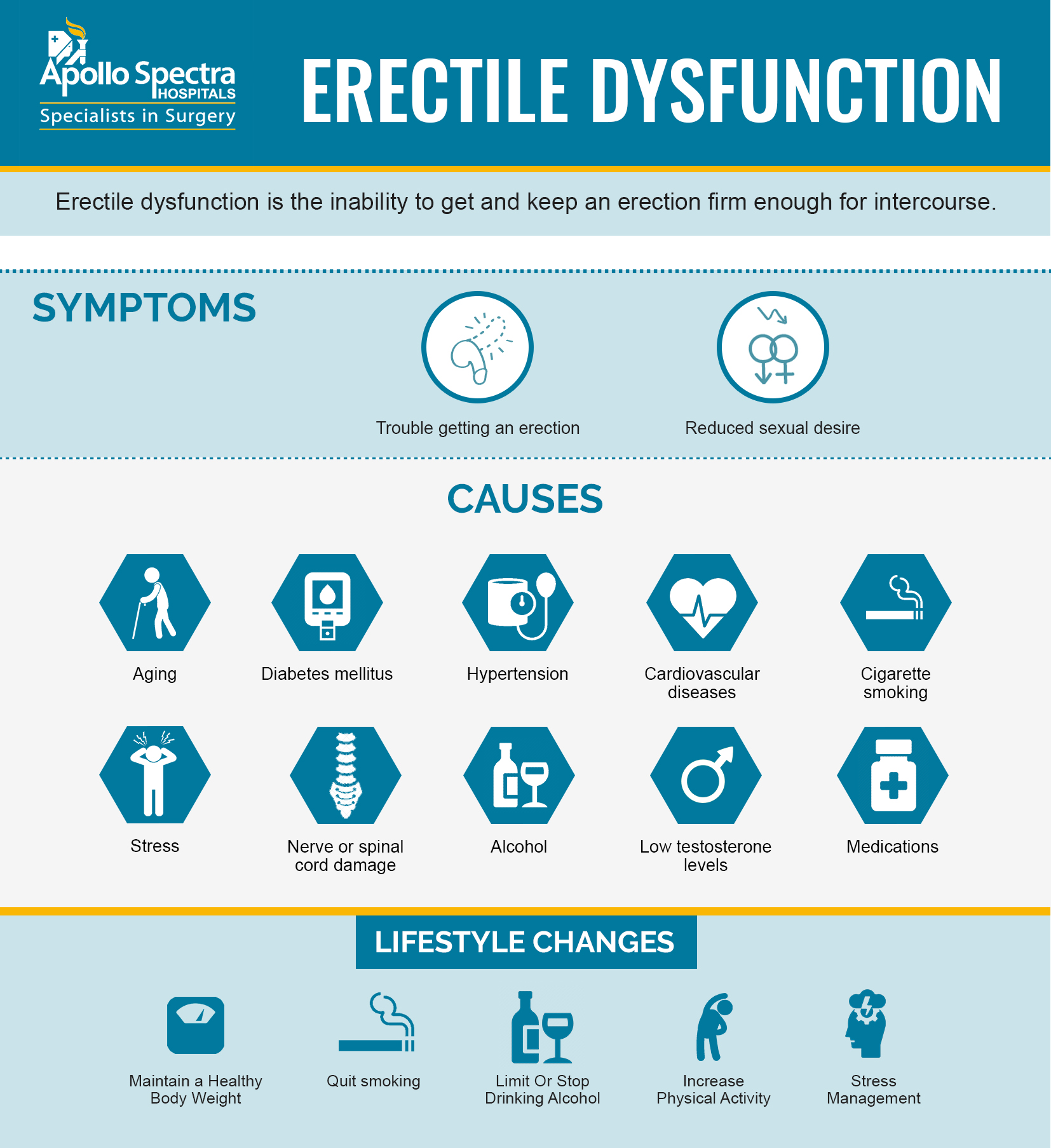
- Regular train was recommended, aiming for a minimum of a hundred and fifty minutes of moderate-depth aerobic exercise every week. This would not solely assist handle his weight but also enhance cardiovascular health and blood move.
- Stress management methods, corresponding to mindfulness and yoga, were prompt to assist alleviate performance anxiety.
- Pharmacotherapy:
- Comply with-up appointments have been scheduled to monitor the effectiveness of the remedy and make changes as essential.
- Psychological Assist:
- Couples therapy periods were additionally instructed to improve communication along with his associate and reduce the emotional burden of ED on their relationship.
Comply with-Up and Progress
At the three-month follow-up appointment, Mr. Smith reported significant enhancements. He was able to attain erections more constantly and felt extra confident during intimate moments. His partner famous that their communication had improved, they usually had been exploring new methods to attach emotionally and bodily.
Blood checks performed at this comply with-up indicated improved cholesterol levels, doubtless as a result of the lifestyle modifications Mr. Smith had applied. His blood stress had additionally stabilized. The psychologist reported that Mr. Smith was making progress in therapy, learning to handle his anxiety and understanding that ED is a common concern that many men face.
Lengthy-Term Management
Recognizing that ED is usually a chronic situation, a long-time period management plan was established. This included:
- Steady monitoring of cardiovascular health, together with common test-ups for blood strain and cholesterol levels.
- Ongoing psychological support as needed, with periodic test-ins with the psychologist to deal with any resurfacing anxiety or relationship issues.
- Encouragement to take care of a healthy way of life, together with common physical activity and a balanced weight loss program.
Conclusion
This case research illustrates the importance of a holistic method to treating erectile dysfunction in men. By addressing not solely the physical features of ED but also the psychological and relational dimensions, healthcare suppliers can considerably enhance the standard of life for patients like Mr. Smith. The collaborative effort between the affected person, medical professionals, and psychological help techniques is essential in ensuring effective treatment and long-time period success in managing erectile dysfunction.
Ultimately, this case highlights that ED is just not merely a physical ailment however a posh interplay of biological, psychological, and relational components, necessitating a complete treatment plan tailored to the person patient's needs.
Joomla! est un Logiciel Libre diffusé sous licence GNU General Public